
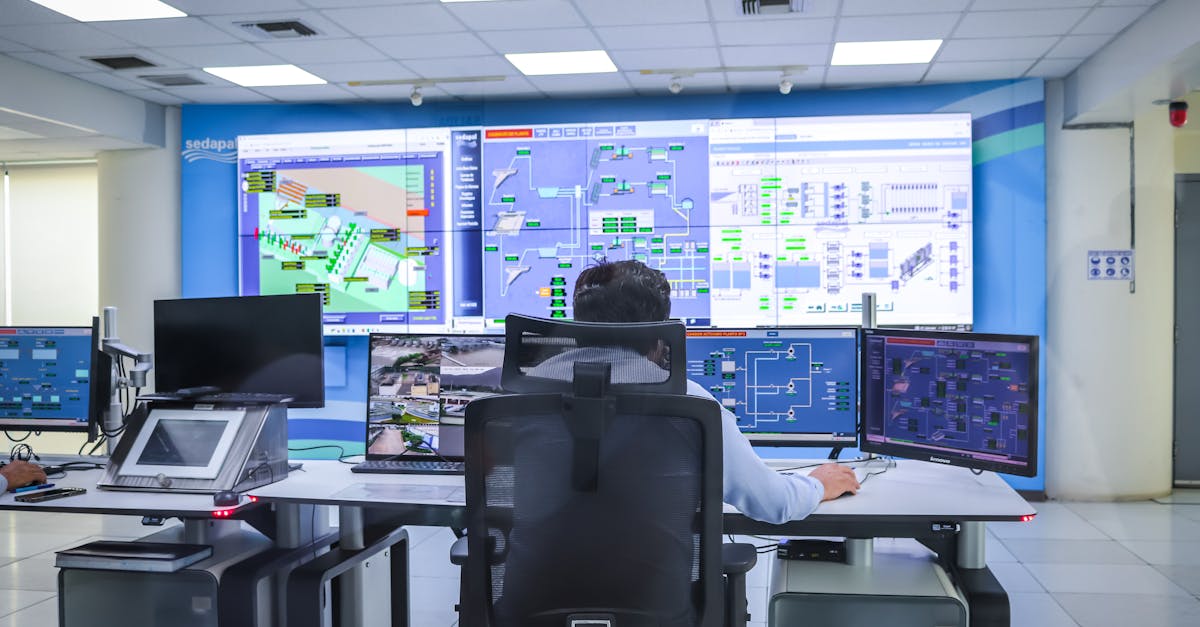
Foto de Fernando Narvaez no Pexels
Reducing Administrative Overhead with Smart Transcription: A Guide for Operations Leaders
Discover how AI-powered transcription can reclaim up to 30% of your workday by automating documentation, meeting minutes, and reporting tasks.

Digital Journalist & Content Strategist
The Invisible Burden of Administrative Tasks
In the modern corporate landscape, operations managers and team leaders face a growing challenge: administrative bloat. While high-level strategy and creative problem-solving are what drive a business forward, a significant portion of the workday is consumed by the manual documentation of those very ideas.
Administrative overhead isn't just a nuisance; it is a silent productivity killer. Whether it is drafting meeting minutes, transcribing interviews, or documenting client calls, these manual tasks pull skilled professionals away from their core responsibilities. VoxScriber was designed to bridge this gap, using smart transcription to turn spoken words into actionable data instantly.
The Real Cost of Manual Documentation
Recent workplace productivity studies reveal a startling reality: the average professional spends between 20% and 30% of their work week on administrative documentation. For a standard 40-hour work week, that equates to nearly 12 hours spent typing out notes or summarizing discussions.
When we break down these hours, the impact on a company’s bottom line becomes clear. High-salary employees are effectively being paid to perform data entry tasks. This misallocation of resources leads to slower project timelines and increased operational costs. By learning how to reduce administrative work, companies can reallocate those 12 hours toward revenue-generating activities.
Common Time-Consuming Tasks
- Meeting Minutes: Capturing every decision and action item during a board meeting or a brainstorming session.
- Reporting: Converting verbal updates from team leads into formal written reports for stakeholders.
- Legal and Compliance Documentation: Ensuring every consultation or interview is recorded and filed accurately for audit trails.
- Content Creation: Repurposing internal webinars or video presentations into blog posts or training manuals.
How AI Transcription Automates the Documentation Load
Artificial Intelligence has evolved beyond simple speech-to-text. Modern smart transcription platforms like VoxScriber use Natural Language Processing (NLP) to understand context, distinguish between different speakers, and even summarize key points. This technology allows for the complete automation of the documentation lifecycle.
Instead of a project manager spending two hours after a meeting to clean up their notes, the AI provides a structured transcript immediately after the session ends. This shift from manual typing to "editing by exception"—where a human only checks the AI's work for specific nuances—slashes the time spent on documentation by up to 80%.
Streamlining the Workflow
To automate documentation effectively, the process must be frictionless. Smart transcription integrates directly into the existing workflow. You record the audio or video, upload it to the platform, and receive a searchable, organized text file. This eliminates the need for specialized secretarial staff for routine note-taking, allowing teams to remain lean and agile.
Before and After: Implementing Transcription in Departments
To understand the impact of smart transcription, let’s look at the typical evolution of a department before and after adopting an AI-driven solution.
The "Before" Scenario
In a traditional HR or Operations department, a typical project kickoff meeting involves one person designated as the note-taker. This person is often unable to fully participate in the discussion because they are focused on typing. Following the meeting, there is a delay of 24 to 48 hours before the minutes are distributed. During this lag, momentum is lost, and details may be forgotten or misremembered.
The "After" Scenario
With VoxScriber, every participant is fully engaged in the conversation. The AI handles the recording and transcription in the background. Within minutes of the meeting's conclusion, a full transcript is available. Team members can use search functions to find specific keywords or commitments made during the call. The "lag time" is virtually eliminated, and the accuracy of the record is significantly higher than manual notes.
Impact on Employee Satisfaction and Retention
Administrative overload is a primary driver of workplace burnout. When talented employees feel like they are drowning in "busy work," their job satisfaction plummets. They feel underutilized and frustrated by the lack of time for meaningful work.
By introducing smart transcription, leadership sends a clear message: we value your time and your expertise. Reducing the cognitive load of documentation allows employees to enter a "flow state" more easily. When the burden of clerical work is lifted, morale improves, leading to higher retention rates and a more positive company culture. 📈
Measuring Success: Productivity Metrics That Matter
If you are a manager looking to justify the investment in smart transcription, you need to track specific metrics. Here are the key indicators of improved office productivity:
- Turnaround Time (TAT): Measure how long it takes from the end of a meeting to the distribution of the final document.
- Labor Hours per Report: Track the number of man-hours dedicated to documentation before and after AI implementation.
- Searchability and Retrieval Speed: How quickly can an employee find a specific piece of information from a meeting that happened six months ago?
- Opportunity Cost: Calculate the value of the time recovered by senior staff and where that time was reinvested.
Institutionalizing Efficiency
Adopting smart transcription is not just about buying a tool; it is about building a culture of efficiency. It requires a shift in mindset where the spoken word is treated as a valuable data asset. When every meeting, interview, and presentation is automatically documented, the organization builds a comprehensive, searchable knowledge base that grows over time.
This institutional memory is invaluable for onboarding new employees, conducting historical audits, and ensuring that no great idea is ever lost to a poorly written note.
Conclusion
In an era where time is the most precious resource, manual documentation is an expensive relic of the past. By leveraging AI-powered transcription, operations leaders can reduce administrative work, boost office productivity, and empower their teams to focus on what truly matters.
Transforming your workflow starts with choosing the right partner for your documentation needs. VoxScriber provides the speed, accuracy, and ease of use required to turn your audio and video into high-quality text, helping you eliminate administrative overhead once and for all.
Related tools
About the author
Digital Journalist & Content Strategist
I've worked in digital journalism and content strategy for over nine years, covering technology, media, and the creator economy. Along the way, transcription became one of my essential tools — turning podcast interviews into articles, video content into searchable text, and live meetings into actionable notes.